Loading...
Serving Pico Rivera, CA and surrounding areas. (562) 271-5285
Pico Rivera Insulation serves Santa Fe Springs with spray foam insulation, blown-in attic insulation, and air sealing for postwar ranch homes throughout the city. We reply within one business day.
Pico Rivera Insulation serves Santa Fe Springs with spray foam insulation, blown-in attic insulation, and air sealing for postwar ranch homes throughout the city. We reply within one business day.
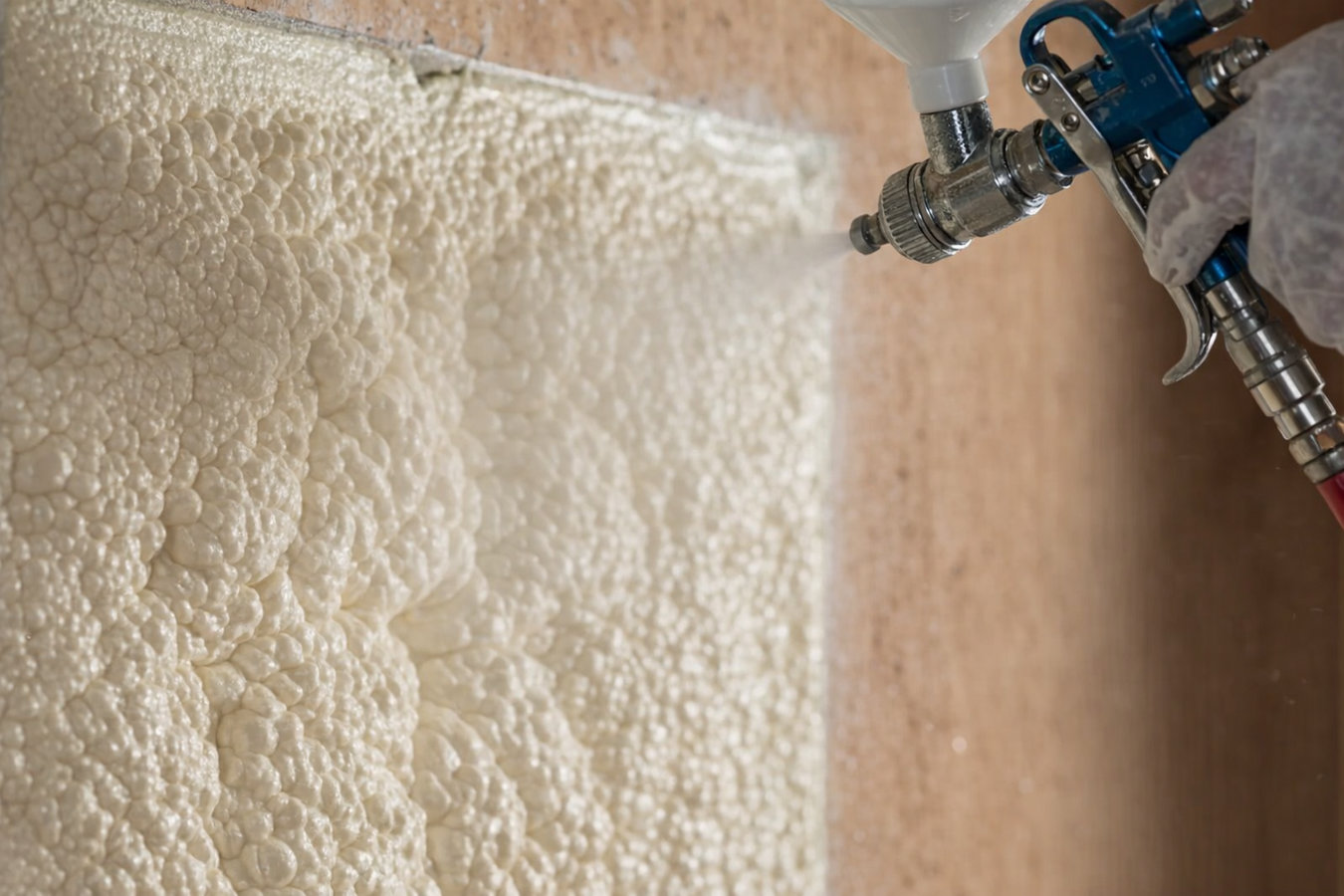
Santa Fe Springs homes near the I-5 and I-605 corridors experience more vibration-related gap widening than most Southern California cities, making air sealing especially important. Spray foam insulation applied at rim joists and attic penetrations seals these gaps permanently and performs better than caulk or backer rod over time.
Ranch homes in Santa Fe Springs built between 1945 and 1975 typically have original fiberglass batts that have compressed and degraded over the decades. Upgrading the attic insulation to current Title 24 minimums is the single most cost-effective energy improvement available to most homeowners in this city.
Blown-in cellulose or fiberglass covers the entire attic floor including hard-to-reach corners, making it a practical choice for Santa Fe Springs homes with older framing configurations and tight attic access. The material installs in one day without any disruption to ceilings or interior finishes.
With industrial and freight activity nearby, Santa Fe Springs homes are exposed to elevated levels of dust and particulates that enter through uncontrolled air leakage points. Comprehensive air sealing before insulation installation reduces infiltration at the source and improves indoor air quality alongside thermal performance.
Closed-cell foam provides the highest R-value per inch of any insulation type, making it practical for Santa Fe Springs homes with limited cavity depth - such as 2x4 exterior walls built before 1980 where adding interior space for insulation is not an option.
Recessed lights, attic hatches, and top-plate gaps are the largest sources of air leakage in most Santa Fe Springs ranch homes. Sealing these points in the attic floor assembly before adding blown-in insulation ensures that the new insulation actually delivers the performance gains it is rated for.
Santa Fe Springs is a small city of about 17,000 people where industrial land and residential neighborhoods sit side by side. Most of the housing stock dates from the 1940s through the early 1970s - homes that are now 50 to 80 years old. Original insulation from that era has either settled and compressed or was never sufficient to begin with. The city incorporated in 1957, and many of the residential streets were built quickly to house workers during the oil and industrial boom years. That rapid, practical construction means insulation and air sealing were secondary priorities, and homeowners today are dealing with the consequences in the form of high energy bills and inconsistent comfort.
The location at the junction of the I-5, I-605, and I-105 freeways is a defining feature of living in Santa Fe Springs. Heavy truck traffic passes through and around the city continuously, and the vibration from that freight movement gradually widens small gaps in older building assemblies. Clay-heavy soil compounds the problem by expanding in wet winters and contracting in dry summers, which stresses foundation slabs and the rim joist connections that are often an uncontrolled air pathway. Homeowners who address insulation without also sealing these pathways see significantly less improvement than they expected.
Our crew works throughout Santa Fe Springs regularly, and we understand the local conditions that affect insulation work here. The mix of residential and industrial land use means some properties have access constraints - narrow side yards, nearby loading docks, or shared walls with commercial buildings - that require planning before equipment arrives on site.
Heritage Park on Greenstone Road is the city's best-known landmark, and the neighborhoods surrounding it include some of the oldest residential streets in Santa Fe Springs. The Telegraph Road corridor is the main commercial spine, and most of the city's residential neighborhoods branch off streets within a mile or two of it. We work in homes on both sides of the city, from the streets nearest the I-5 to the quieter neighborhoods on the eastern edge near the Norwalk border.
We also serve homeowners in adjacent cities. Residents of Norwalk - which borders Santa Fe Springs to the south - often contact us for the same type of attic and air sealing work. We also work regularly in Downey, where the postwar housing stock presents similar insulation challenges.
Reach us by phone or through our online contact form. We respond within one business day and ask a few basic questions about your home - square footage, attic access location, and any specific comfort problems you have noticed.
A crew member visits your Santa Fe Springs home to inspect the attic, measure existing insulation depth, and check for major air-leakage points. We provide a written estimate after the inspection - you will know the exact cost before any work is scheduled.
Most attic insulation and spray foam jobs in Santa Fe Springs are finished in a single day. We protect your home's interior during installation and clean up completely before leaving, including any dust or debris near the attic access point.
We document the completed work with photos and provide a written summary of what was installed. Southern California Edison offers rebates for qualifying insulation upgrades, and we provide the documentation you need to apply.
We serve Santa Fe Springs with written estimates and no-pressure assessments. Response within one business day.
(562) 271-5285Santa Fe Springs is a compact city of about 17,000 residents in southeast Los Angeles County. It covers roughly 9 square miles, and a significant share of that land is industrial and commercial - warehouses, distribution centers, and light manufacturing facilities that have defined the city's economy for decades. The residential neighborhoods are concentrated in the central and western sections of the city, made up almost entirely of single-story ranch-style homes built between the 1940s and early 1970s. The city has a high homeownership rate - roughly 70 percent of occupied units are owner-occupied according to Census data - which reflects the long-term, stable nature of its residential population. More information about the city's history and government is available through the City of Santa Fe Springs website.
The city traces its identity to the oil boom of the early 20th century, when Santa Fe Springs was one of the most productive oil-producing areas in California. That history shaped how the city was developed - quickly and practically - and many of the residential streets still reflect the utilitarian character of that era. Heritage Park, which includes a restored Victorian home and a working oil well, is the city's most recognized historic site. Telegraph Road serves as the main commercial corridor, and the Santa Fe Springs Swap Meet on Telegraph Road has been a regional institution for decades. Nearby Norwalk borders the city to the south and shares much of the same postwar housing character.
Seal gaps and boost energy efficiency with durable spray foam coverage.
Learn MoreProtect floors and pipes from moisture and temperature swings below.
Learn MoreInsulate basement walls and ceilings for a more comfortable lower level.
Learn MoreHigh-density foam delivers superior R-value and moisture resistance.
Learn MoreFlexible, sound-dampening foam ideal for interior walls and ceilings.
Learn MoreProfessional vapor barrier installs that prevent mold and moisture damage.
Learn MoreAdd insulation to existing walls and ceilings without a full renovation.
Learn MoreCall today or request a free estimate online - written pricing before any work starts, and same-day completion on most jobs.